What We Do
Climate Action, Drought Management, Livelihoods & Resilience
Building resilience to a changing climate in the drylands.
Overview
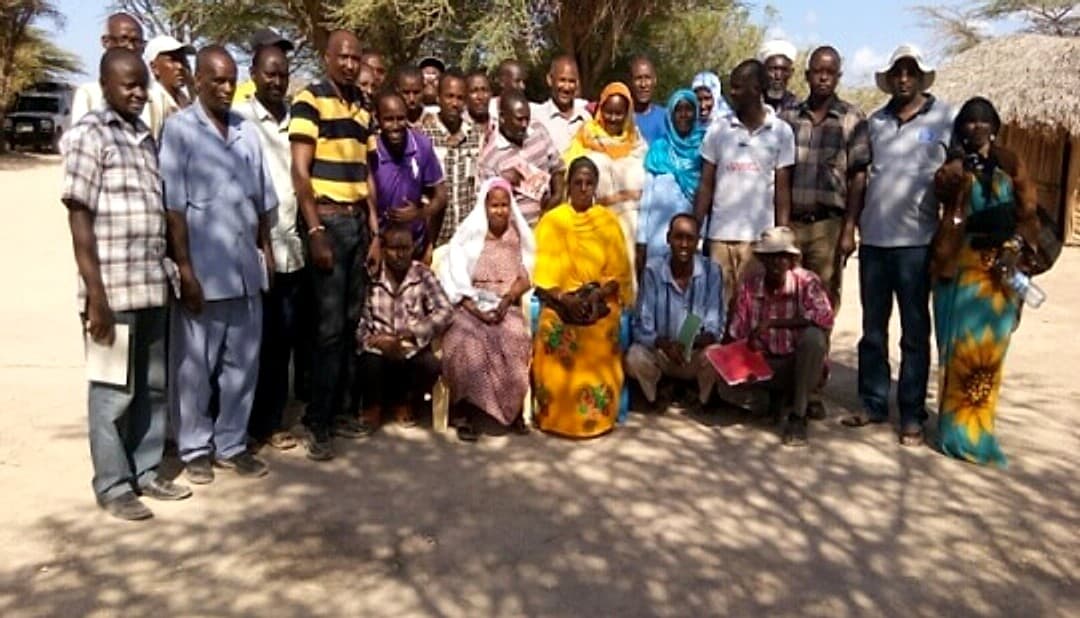
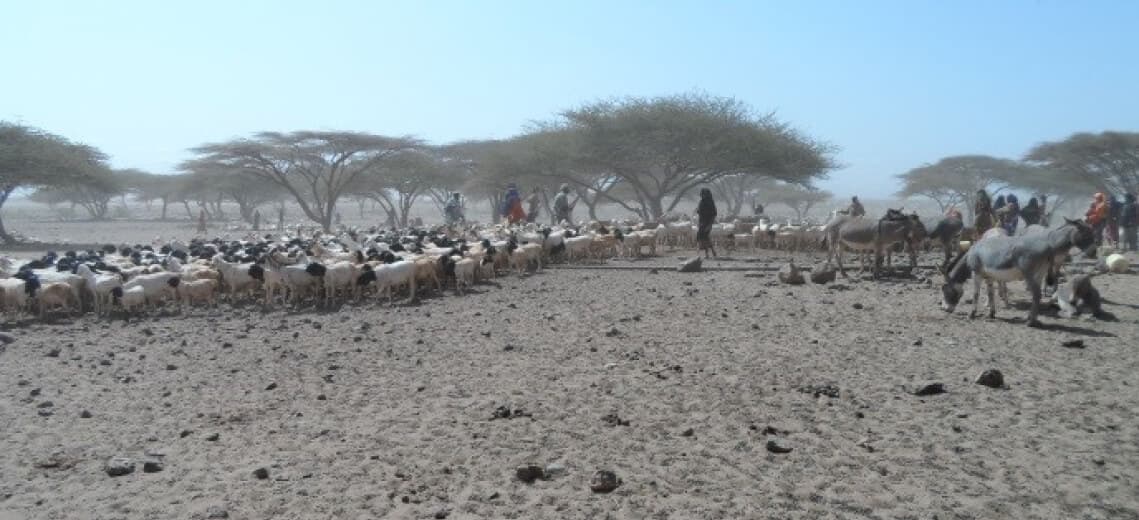
PISP works with nomadic pastoralist and agro-pastoralist communities whose lives and livelihoods are directly affected by erratic rainfall, prolonged droughts and flash floods.
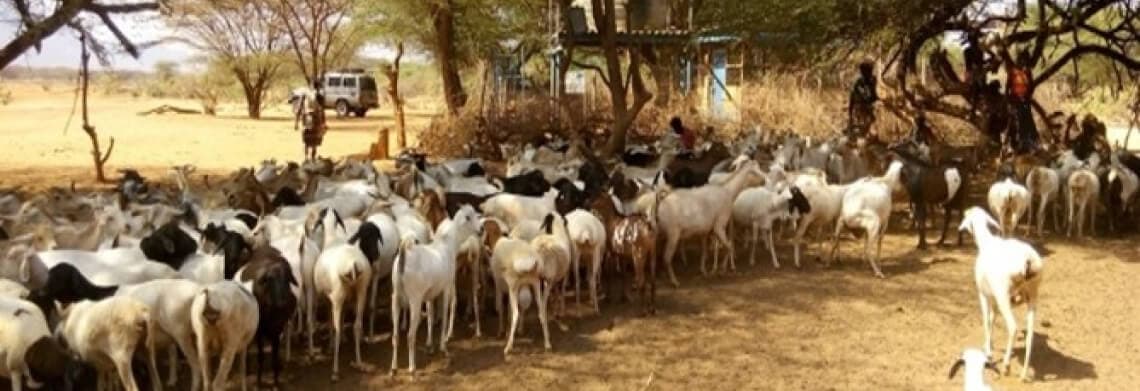
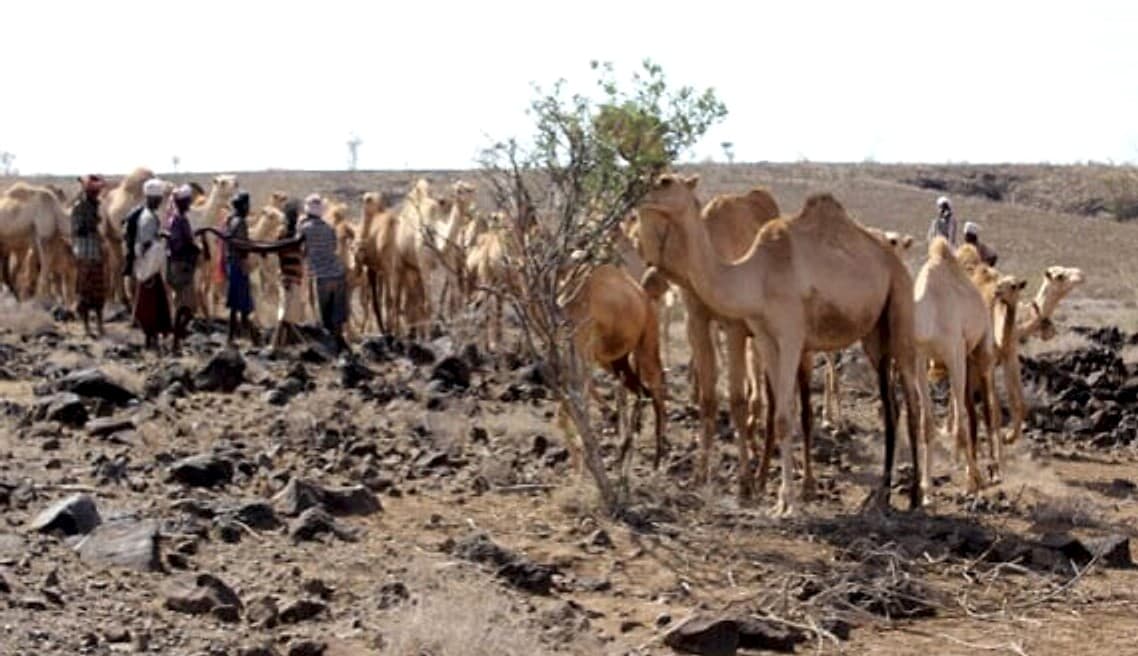
The programme builds community resilience and adaptation to climate change impacts affecting food security, health, nutrition and education across Northern Kenya. Emergency response activities include destocking, restocking, cash transfers, food vouchers, water tankering and borehole rehabilitation during droughts.
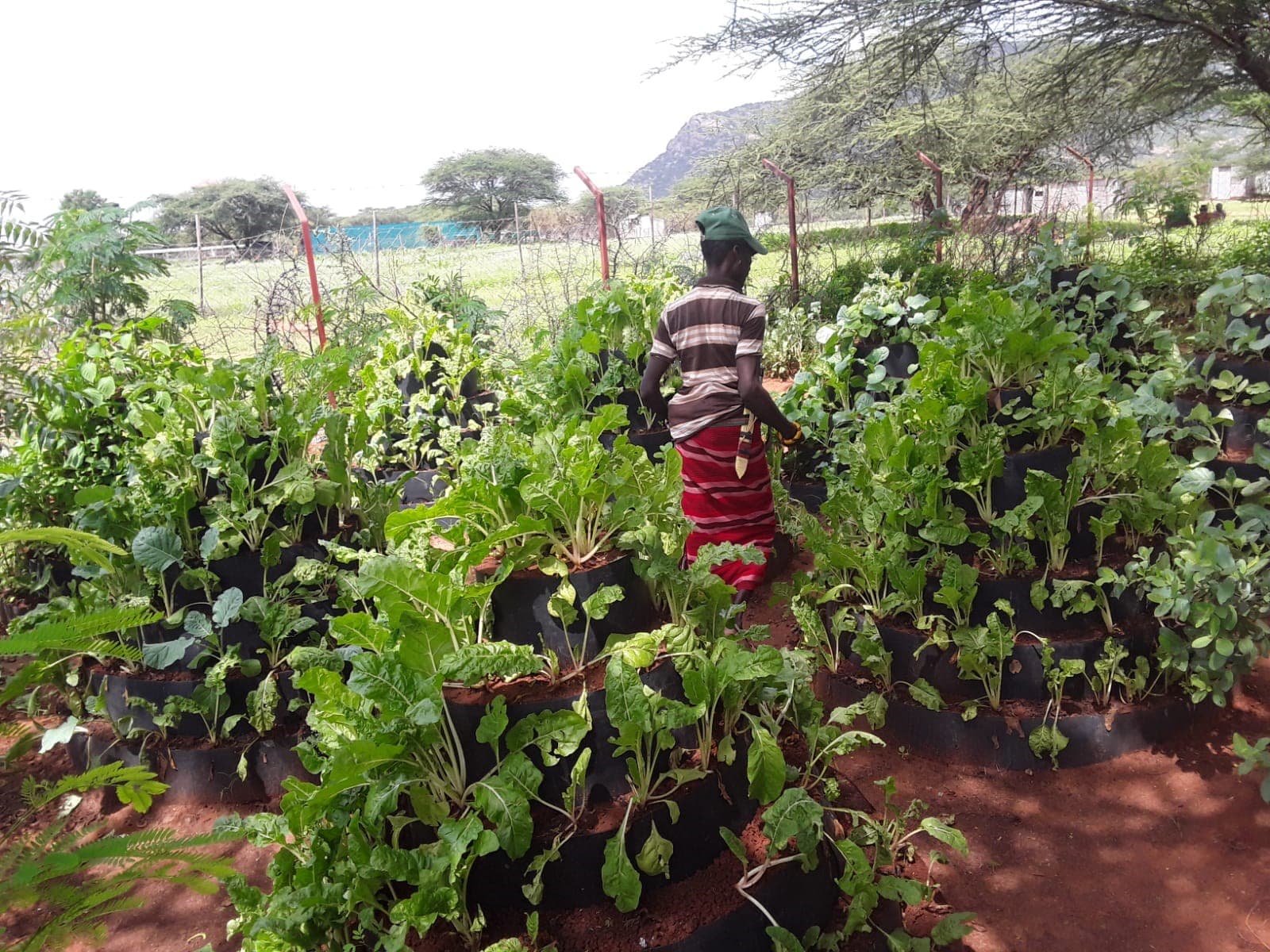
Income diversification is supported through self-help groups and revolving credit funds, alongside Village Community Banking (VICOBA), Pastoralist Field Schools, disease surveillance and Community Disaster Management Committee training.
Objectives
- Respond to drought emergencies through destocking, restocking, cash transfers, food vouchers and water tankering
- Diversify household income through self-help groups and revolving credit funds
- Strengthen Village Community Banking (VICOBA) and Pastoralist Field Schools
- Build community disease surveillance and disaster management capacity
Impact
42 self-help groups (~KES 13M in revolving credit) · 20 community conversation groups · 7,088 shoats distributed · 1,035 camels redistributed (575 male, 460 female) · 224 cattle redistributed · cash transfers to drought-affected households
Gallery
In Action
Related Projects
Climate Action, Drought Management, Livelihoods & Resilience
Marsabit County Drought Emergency Response Project
Emergency response to recurrent drought across Marsabit County — water, livestock and cash support for affected households.
Marsabit, Kenya
Climate Action, Drought Management, Livelihoods & Resilience
Kenya Emergency Response to Older Persons
Delivered with HelpAge International, supporting drought-affected older persons and their households with food security and wellbeing assistance.
Marsabit, Kenya
Climate Action, Drought Management, Livelihoods & Resilience
Marsabit Drought Resilience and Response Project
Delivered with MISEREOR, building longer-term drought resilience alongside emergency response.
Marsabit, Kenya