Leadership, Governance & Development
Community Land Registration and Sustainable Natural Resource Governance in the Sibiloi Ecosystem
Supporting communities in North Horr, Dukana, and Illeret to secure their communal land rights and strengthen community-led governance of land and natural resources in the Sibiloi ecosystem.
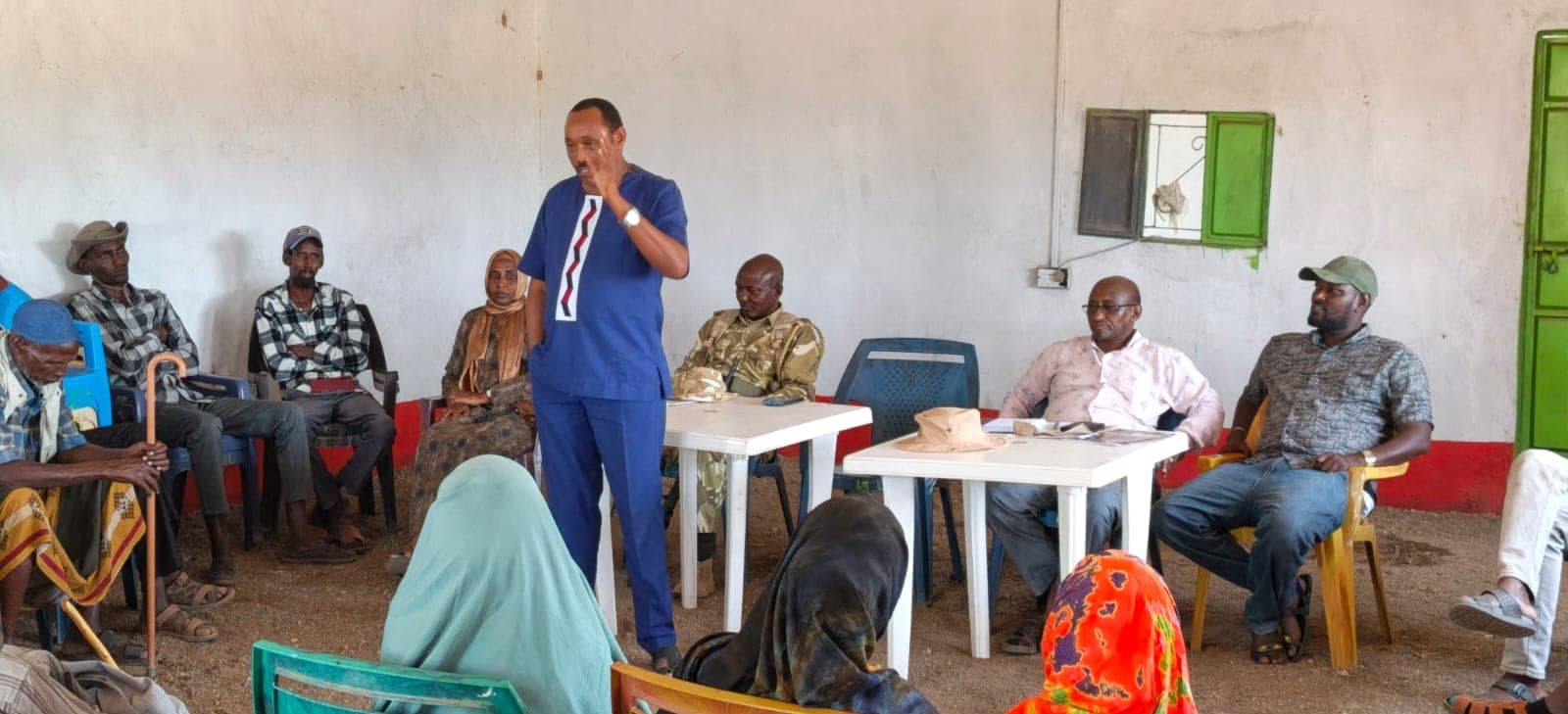
Community land governance meeting
Description
Programme Overview
Implemented by the Pastoralist Integrated Support Programme (PISP) in partnership with Archipelagus, the Community Land Registration, Management and Governance Programme for Sustainable Natural Resource Management in the Sibiloi Ecosystem supports communities in North Horr, Dukana, and Illeret, Marsabit County, to secure their communal land rights and strengthen community-led governance of land and natural resources.
Located within a landscape of significant ecological, cultural, and livelihood value, the programme recognizes that secure land tenure, inclusive governance, and sustainable natural resource management are essential to the long-term wellbeing of pastoralist communities and the protection of the Sibiloi ecosystem.
The programme supports communities to understand and exercise their rights under the Community Land Act, 2016, while strengthening their capacity to participate in land registration, establish and support effective community governance structures, and manage communal resources collectively. It also promotes the participation of women, youth, and persons with disabilities in community decision-making, recognizing that inclusive institutions are fundamental to equitable and sustainable land governance.
Through community sensitization, public participation, institutional capacity building, and collaboration with relevant stakeholders, the initiative seeks to strengthen community ownership of land governance processes, reduce land-related tensions, and support responsible stewardship of the Sibiloi ecosystem and its natural resources.
Key Objectives
- Strengthen community land tenure security: Support communities in North Horr, Dukana, and Illeret to pursue recognition and registration of communal land rights in accordance with the Community Land Act, 2016.
- Improve community-led land administration: Strengthen the capacity of community institutions to manage land, maintain records, facilitate inclusive decision-making, and promote accountable governance.
- Promote sustainable ecosystem management: Encourage community-led approaches to the responsible use and conservation of rangelands, grazing areas, water resources, and other natural assets within the Sibiloi landscape.
- Strengthen inclusive and participatory governance: Ensure that women, youth, and persons with disabilities have meaningful opportunities to influence land management and natural resource decisions.
- Prevent and manage land-related conflicts: Strengthen community dialogue, collaborative planning, and locally appropriate mechanisms for addressing competing land-use interests.
- Promote collaboration among stakeholders: Support constructive engagement between communities, relevant government institutions, conservation actors, and other stakeholders to align land governance with sustainable natural resource management.
Strategic Interventions
1. Community mobilization, sensitization and public participation
Facilitate community awareness and consultation processes to strengthen understanding of communal land rights, legal registration requirements, collective ownership, and the responsibilities of community members. Support inclusive assemblies and participatory processes that enable communities to make informed decisions about their land.
2. Support for land registration and community governance structures
Accompany communities through relevant stages of land registration and strengthen the establishment and functioning of Community Land Management Committees. Build their capacity in governance, leadership, documentation, accountability, and community representation, in coordination with relevant authorities.
3. Sustainable natural resource management and ecosystem protection
Promote community participation in land-use planning and responsible management of communal rangelands, grazing areas, water resources, and other natural assets. Encourage approaches that balance pastoralist livelihood needs with the long-term ecological sustainability of the Sibiloi ecosystem.
4. Gender-responsive and inclusive land governance
Promote the meaningful participation of women, youth, and persons with disabilities in community assemblies, CLMC structures, land administration, and natural resource management decisions. Strengthen awareness of equal participation and encourage governance arrangements that respond to the needs of diverse community members.
5. Land conflict prevention and collaborative governance
Facilitate dialogue and community engagement to address land-related concerns, clarify rights and responsibilities, and encourage peaceful approaches to resolving disputes. Support collaboration between communities and relevant stakeholders on shared land-use and natural resource governance priorities.
6. Stakeholder coordination and long-term sustainability
Strengthen collaboration among community institutions, government agencies, conservation stakeholders, and development partners to support coordinated land governance and ecosystem stewardship. Promote community ownership and local institutional capacity to sustain programme gains beyond the implementation period.
Expected Impacts
The programme is expected to contribute to the following long-term changes:
- Stronger recognition and protection of community land rights through progress towards formal land registration and improved understanding of legal rights and obligations.
- Improved land governance and accountability through more capable CLMCs and stronger community participation in land administration and decision-making.
- Enhanced protection of the Sibiloi ecosystem through more sustainable and community-informed management of communal land and natural resources.
- Reduced land-use tensions and improved peaceful coexistence through strengthened dialogue, participatory planning, and collaborative resource governance.
- Greater equity in land-related decision-making through increased participation and representation of women, youth, and persons with disabilities.
- Improved resilience of pastoralist livelihoods through stronger community institutions and more sustainable management of the land, grazing resources, and water systems that support livelihoods.
- Stronger partnerships for sustainable development through improved coordination between communities, government institutions, conservation actors, and development partners.
Our Long-Term Vision
A secure, inclusive, and sustainably managed Sibiloi landscape where pastoralist communities exercise their communal land rights, local institutions govern natural resources responsibly, and community livelihoods and ecological integrity are strengthened for future generations.