Leadership, Governance & Development
TCF-Funded Community Land Registration Programme – North Horr and Dukana, Marsabit County
Funded by The Christensen Fund (TCF), the Community Land Registration Programme in North Horr and Dukana, Marsabit County, seeks to strengthen community land rights, promote inclusive land governance, and support the sustainable management of communal land and natural resources.
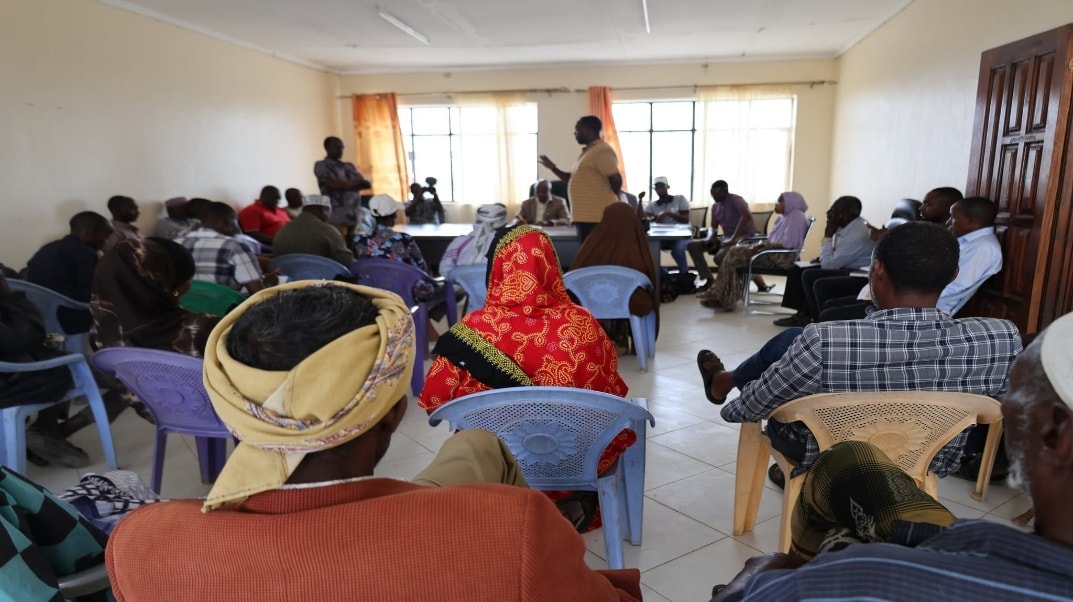
Community land registration meeting
Description
Programme Overview
Funded by The Christensen Fund (TCF), the Community Land Registration Programme in North Horr and Dukana, Marsabit County, seeks to strengthen community land rights, promote inclusive land governance, and support the sustainable management of communal land and natural resources.
Implemented through a community-centered approach, the programme supports pastoralist communities to understand, secure, and exercise their collective land rights in accordance with Kenya’s Constitution and the Community Land Act, 2016. Recognizing the cultural, economic, and ecological importance of communal land to pastoralist livelihoods, the initiative facilitates community sensitization, participatory decision-making, land registration processes, and capacity building for Community Land Management Committees (CLMCs).
The programme places particular emphasis on strengthening local ownership of land governance processes and promoting meaningful participation by women, youth, persons with disabilities, elders, and other historically underrepresented groups. By strengthening community institutions and promoting transparent land administration, the programme aims to establish a stronger foundation for secure land tenure, peaceful coexistence, and sustainable natural resource management.
Key Objectives
- Secure communal land rights: Support communities in North Horr and Dukana to understand and pursue the formal registration of their ancestral and communal lands in accordance with the Community Land Act, 2016.
- Strengthen inclusive land governance: Enhance community participation, transparency, accountability, and representation in land-related decision-making.
- Build community institutional capacity: Strengthen the knowledge and capacity of Community Land Management Committees to fulfil their responsibilities in land administration, management, and governance.
- Promote equitable participation: Increase the involvement of women, youth, and persons with disabilities in community land registration, leadership, and natural resource governance.
- Reduce land-related conflicts: Promote awareness of land rights, strengthen community dialogue, and support locally led approaches to preventing and resolving land disputes.
- Advance sustainable resource management: Encourage responsible stewardship of communal land, grazing areas, water resources, and other natural assets that sustain pastoralist livelihoods.
Strategic Interventions
1. Community sensitization and legal awareness
Facilitate community meetings, awareness sessions, and dialogue forums to improve understanding of constitutional land rights, the Community Land Act, 2016, and the procedures for community land registration. These engagements help communities make informed decisions about their land and governance structures.
2. Participatory community land registration
Accompany communities through key stages of the land registration process, including community mobilization, public participation, collective decision-making, and coordination with relevant government institutions. Support is designed to strengthen community ownership and compliance with applicable legal requirements.
3. Capacity building for Community Land Management Committees
Strengthen CLMCs' capacity in leadership, land administration, record-keeping, accountability, community representation, and natural resource governance, enabling them to perform their mandates effectively and transparently.
4. Inclusive governance and community participation
Promote meaningful participation of women, youth, and persons with disabilities in community assemblies, leadership processes, and land-related decisions. Support inclusive community structures that reflect the interests and priorities of different groups.
5. Conflict prevention and sustainable land management
Promote community dialogue, shared understanding of land rights, and collaborative approaches to managing grazing areas, water points, and other communal resources. Encourage land governance practices that support peaceful coexistence and long-term livelihood security.
Expected Impacts
The programme is expected to contribute to:
- Improved security of communal land tenure through increased community awareness, stronger registration processes, and progress towards formal recognition of community land rights.
- Stronger and more accountable community institutions capable of managing communal land transparently and representing community interests.
- Greater inclusion in land governance, particularly for women, youth, and persons with disabilities.
- Reduced risks of land-related disputes through stronger community participation, dialogue, and understanding of land rights and responsibilities.
- Improved protection of communal natural resources through more informed, collective, and sustainable land-use decisions.
- Enhanced pastoralist resilience and livelihood security through stronger recognition of the land and natural resource systems on which communities depend.
Our Long-Term Vision
A future in which pastoralist communities in North Horr and Dukana enjoy secure communal land rights, exercise meaningful control over land-related decisions, and sustainably manage their natural resources for present and future generations.